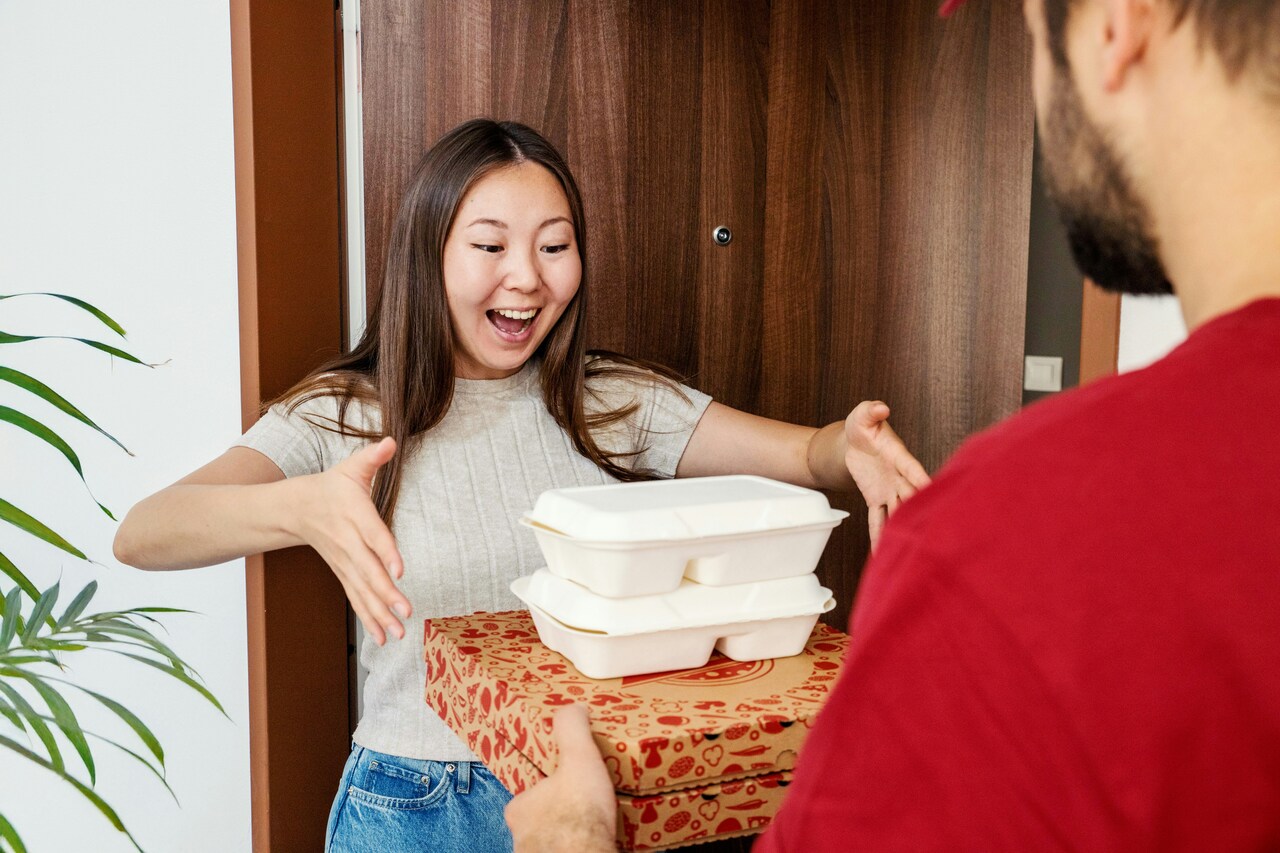
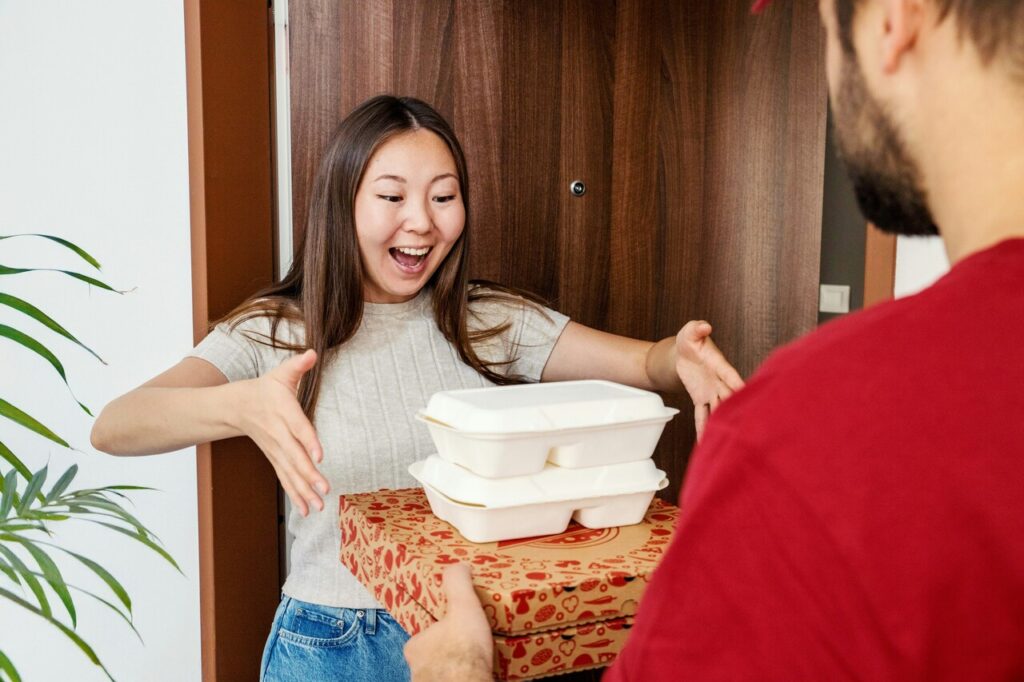
Late-night food delivery has become a defining habit for many Gen Z consumers. Instead of cooking or visiting restaurants, this generation often turns to mobile apps for quick meals during late evening hours. Their digital-first lifestyle, combined with flexible schedules and constant social media influence, has turned food delivery into a routine activity rather than an occasional convenience. From extended kitchen hours to menus designed specifically for delivery, the industry is adjusting to a new rhythm shaped largely by Gen Z behavior.
The Late Night Generation
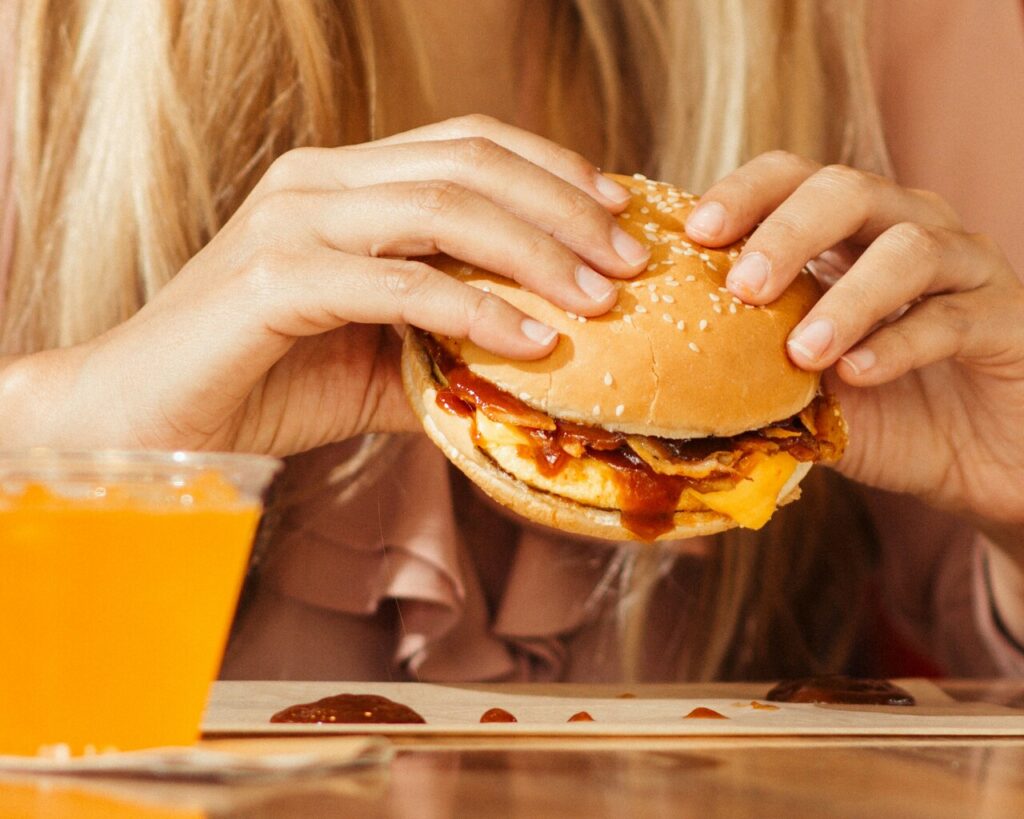
Late evening has become an important time for food ordering among Gen Z consumers. Many members of this generation stay active online late into the night while studying, gaming, streaming shows, or socializing with friends. During these hours, ordering food through delivery apps often feels easier than cooking or leaving home. The process requires only a few taps on a smartphone, making it an attractive option for quick meals. As a result, late-night ordering has become a regular part of daily routines for many young consumers. The habit often develops during college years when schedules are less structured.
This habit reflects broader lifestyle patterns that distinguish Gen Z from older generations. Flexible schedules, digital entertainment, and remote study or work environments often extend activity well past traditional dinner hours. Instead of planning meals earlier in the evening, many people decide what to eat much later. Delivery services respond to this behavior by extending operating hours and partnering with restaurants that can prepare food quickly. These adjustments allow platforms to meet demand that peaks late at night. Young consumers often treat food ordering as part of their nightly routine.
Restaurants have begun noticing how frequently these orders arrive after typical dinner times. Kitchens that once slowed down late in the evening now receive steady online requests. For some businesses, late-night delivery has become a meaningful source of revenue. This shift shows how the habits of younger consumers can reshape the rhythm of the food industry. Staff scheduling sometimes changes to accommodate these orders. Some kitchens now stay open longer to serve digital customers. Delivery-focused operations often remain active well after dining rooms close. These adjustments demonstrate the growing influence of late-night ordering behavior.
The Delivery First Mindset
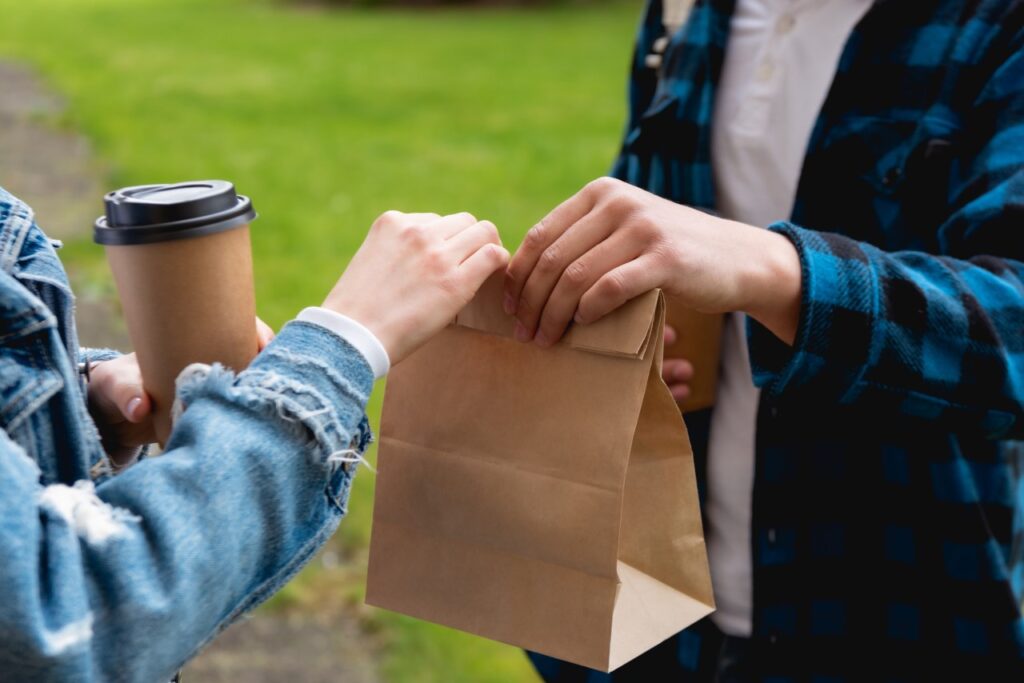
For Gen Z, ordering food online often feels like the most natural way to get a meal. Smartphones are central to daily communication, entertainment, and shopping. Food ordering simply becomes another activity performed through the same device. Instead of searching for nearby restaurants in person, many young consumers discover menus through delivery platforms. The app becomes the starting point of the dining decision. Digital menus are often easier to explore than physical ones. Customers can browse photos, reviews, and ratings instantly. The phone effectively replaces traditional dining research.
Digital familiarity plays a major role in shaping this behavior. Gen Z grew up with mobile technology and expects services to be accessible instantly. Delivery apps meet this expectation by providing menus, reviews, payment options, and order tracking in one place. This level of convenience removes many of the steps traditionally involved in dining out. As a result, ordering food through an app often feels faster than visiting a restaurant. Notifications and app promotions also influence decisions. Discounts and limited offers appear directly on the screen. These alerts encourage spontaneous food orders.
Restaurants have adapted by strengthening their digital presence. Many businesses now focus heavily on app listings, menu photos, and online promotions. Visibility within delivery platforms can influence how often a restaurant receives orders. For younger consumers who rely on these apps, a restaurant’s digital profile may matter as much as its physical location. High-quality images often improve order rates. Positive customer reviews also increase visibility in search results. Restaurants sometimes adjust menus based on digital performance data. These strategies highlight how important the online storefront has become.
The Convenience Economy
Convenience has become the defining factor behind many food choices for Gen Z. Busy schedules filled with study, work, and social activities often leave little time for cooking. Delivery services offer a simple solution by bringing meals directly to the door. This efficiency fits well with a generation that values speed and accessibility in everyday tasks. Ordering food requires only a few minutes of attention. The rest of the process happens automatically. Tracking features allow users to monitor delivery progress. This seamless process makes delivery feel like the easiest option for many late-night meals.
The ability to browse menus quickly and compare options also contributes to the appeal. Delivery apps allow users to explore dozens of restaurants within minutes. Filters, recommendations, and reviews help narrow down choices without leaving the app. This process feels far more efficient than visiting multiple locations in person. The result is a dining experience built around convenience rather than travel. Users can also reorder favorite meals instantly. Saved preferences simplify future orders. Personalized suggestions appear based on past purchases. These features reinforce habitual use of the platform.
Food companies increasingly design their services with this mindset in mind. Restaurants may streamline menus to ensure dishes travel well and arrive quickly. Delivery platforms continue refining their interfaces to reduce ordering time. These adjustments reflect the growing importance of convenience in shaping how young consumers choose meals. Packaging innovations help maintain food quality during delivery. Restaurants often redesign dishes to avoid soggy textures. Quick preparation methods become more valuable for online orders. As a result, convenience now influences nearly every stage of the delivery experience.
The Social Media Menu
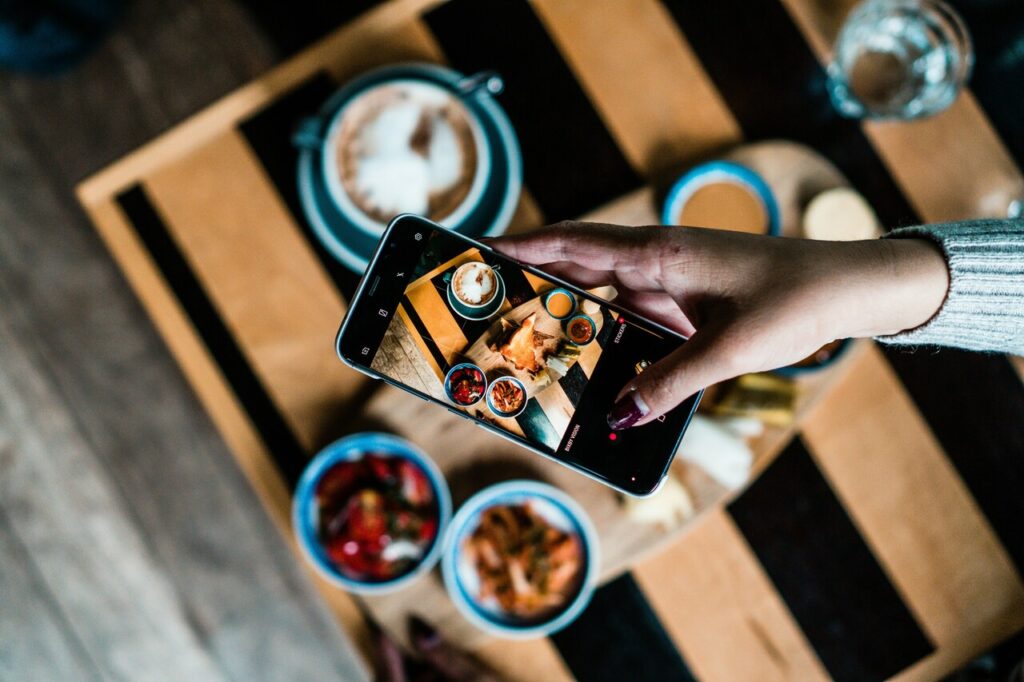
Social media has become a powerful influence on what Gen Z decides to eat. Platforms such as TikTok and Instagram regularly feature trending dishes, restaurant reviews, and viral food challenges. When these posts appear during late-night scrolling sessions, they often spark immediate cravings. Many users move directly from watching a video to placing an order through a delivery app. Food content spreads quickly across social networks. Influencers frequently highlight specific menu items. Short videos can make a dish look irresistible. The constant stream of visual content keeps new cravings appearing throughout the night.
This connection between social media and food discovery has changed how restaurants promote their menus. Visually striking dishes are more likely to attract attention online. Restaurants often design items that look appealing in photos or short videos. The goal is to create a product that encourages sharing and discussion across social platforms. Colorful ingredients and creative plating become marketing tools. Restaurants sometimes collaborate with influencers for visibility. Limited-time menu items may be introduced to spark online interest. These strategies link food design directly with digital trends.
The impact of these trends can appear quickly in delivery data. A popular post may lead to a sudden increase in orders for a specific dish. Restaurants sometimes experience spikes in demand after a recipe or product gains attention online. This relationship between social media and food delivery highlights how digital culture influences dining decisions. Viral trends can change ordering patterns within days. Delivery platforms may feature trending dishes prominently. Social media, therefore, becomes a powerful driver of demand. This dynamic environment encourages restaurants to stay constantly aware of online conversations.
The Weekly Ordering Habit
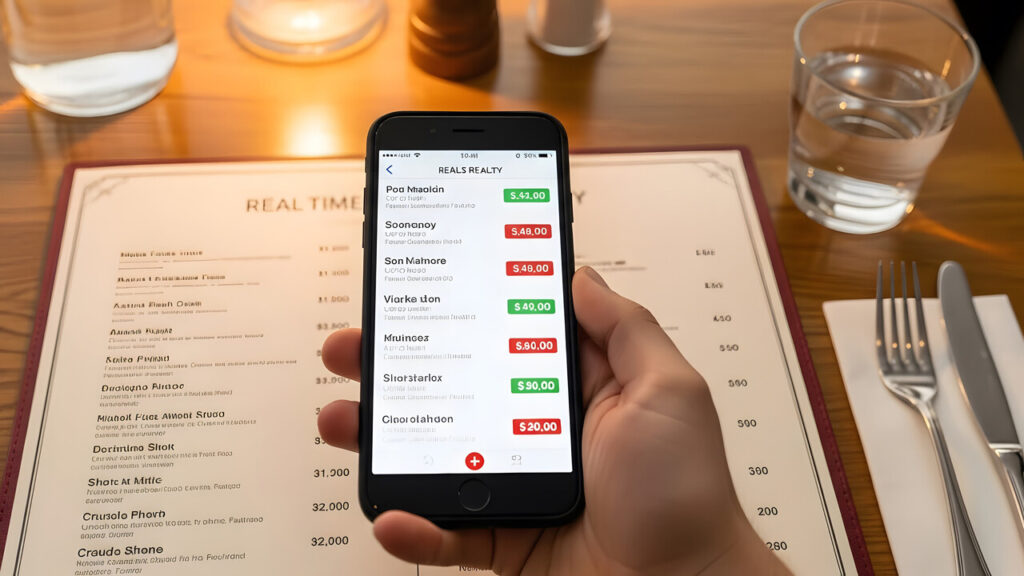
Frequent ordering has become common among many Gen Z consumers. Instead of treating delivery as an occasional convenience, some people incorporate it into their weekly routines. Ordering food once or twice a week can feel normal for students or young professionals with busy schedules. This pattern represents a shift from earlier generations that relied more heavily on home cooking. The habit often develops during college years. Shared living spaces encourage group orders. Convenience becomes a regular part of meal planning. Over time this pattern turns delivery apps into a normal part of everyday life.
Urban living environments also contribute to this habit. Cities often offer a wide variety of restaurants that participate in delivery platforms. With so many options available, it becomes easy to try different cuisines without leaving home. This variety encourages repeat ordering and exploration of new foods. Customers can experiment with global cuisines easily. New restaurants appear regularly on delivery apps. Promotions encourage users to try unfamiliar dishes. Variety, therefore, keeps the ordering experience interesting. Constant menu variety encourages customers to continue exploring new options.
Restaurants benefit from this consistency in demand. Regular delivery orders provide a steady stream of business throughout the week. Instead of relying solely on peak dining hours, restaurants can generate revenue from online orders at different times of day. This steady activity demonstrates how frequently Gen Z consumers engage with delivery services. Weekday evenings now generate more delivery traffic. Late-night hours also remain active. Businesses can diversify income streams through delivery. The shift stabilizes restaurant revenue in many locations. Reliable demand helps restaurants plan staffing and kitchen operations more efficiently.
The Restaurant Strategy Shift
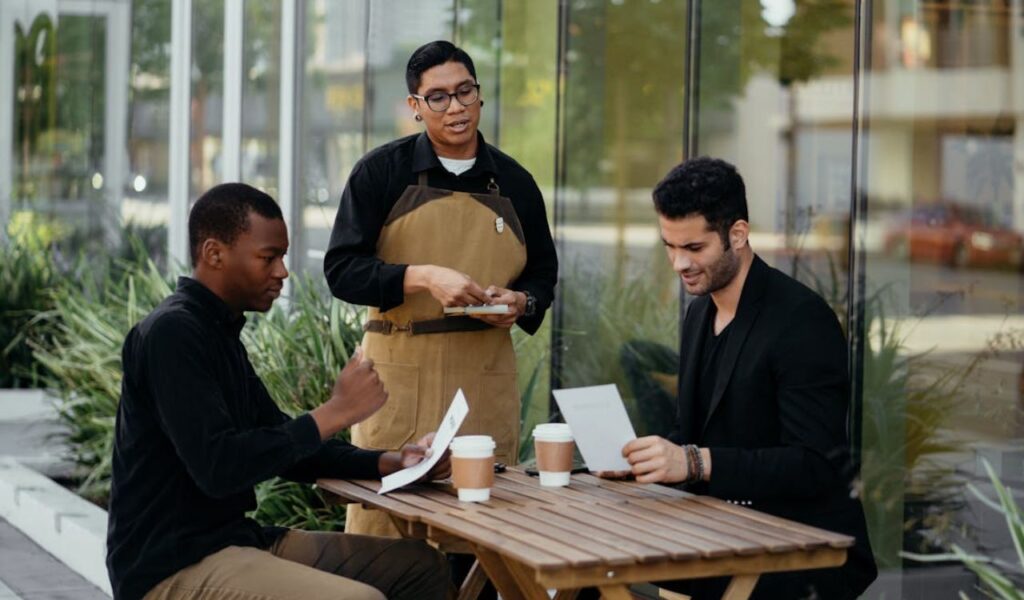
The rise of delivery culture has encouraged restaurants to rethink how they operate. Many businesses now design menus specifically for food that travels well in delivery containers. Items that remain fresh and maintain their texture during transport often perform better. This practical approach helps ensure customers receive a satisfying meal even after a delivery trip. Certain dishes are redesigned for packaging. Sauces may be packed separately to maintain quality. Restaurants experiment to find the best delivery-friendly options. These changes highlight how delivery now shapes menu planning decisions.
Some restaurants have also expanded into new operating models. Ghost kitchens, which focus entirely on preparing food for delivery rather than dine-in service, have become more common. These kitchens allow restaurants to reach new neighborhoods without opening full dining locations. By concentrating on online orders, businesses can reduce costs associated with traditional restaurant spaces. Shared kitchen facilities also lower startup costs. Multiple brands may operate from one location. Delivery apps connect these kitchens directly to customers. This model reflects the growing influence of digital ordering.
Menu design, packaging, and preparation speed have all become priorities in this environment. Restaurants analyze which dishes arrive in the best condition and receive positive customer reviews. These insights guide future menu development. The growing importance of delivery has therefore reshaped how many restaurants plan their operations. Kitchens may adjust cooking methods to improve travel durability. Packaging materials are selected carefully. Restaurants also monitor delivery feedback closely. These changes help maintain quality in a delivery-focused market. Continuous adjustments allow restaurants to remain competitive in the delivery economy.
The Data Behind the Surge
One of the most valuable aspects of delivery platforms is the data they generate. Every order provides information about customer preferences, popular dishes, and ordering times. Restaurants can study this data to understand when demand peaks and which menu items perform best. Late-night ordering patterns have become particularly noticeable among younger consumers. Platforms collect thousands of transactions daily. This information creates detailed behavioral insights. Restaurants analyze these patterns to refine menus. Data, therefore, plays a central role in strategy. Accurate data helps businesses respond quickly to changes in customer behavior.
This information helps restaurants adjust staffing schedules and kitchen operations. If orders increase late in the evening, businesses may keep staff working longer hours. Delivery platforms also use this data to recommend restaurants and dishes to users. These recommendations can influence what customers decide to order. Algorithms highlight popular menu items. Personalized suggestions appear in app feeds. Restaurants often benefit from increased exposure. Data-driven recommendations shape many purchasing decisions. This feedback loop helps restaurants improve both menu choices and service speed.
Over time, this steady flow of information helps the food industry understand changing consumer behavior. The ordering habits of Gen Z provide valuable insights into how dining patterns are evolving. As these trends continue developing, restaurants and delivery companies will likely rely even more heavily on data to guide their strategies. Platforms may forecast demand during specific hours. Restaurants can respond quickly to shifting trends. Data, therefore, becomes a powerful tool in shaping the future of food delivery. These insights will likely influence how the industry develops in the coming years.