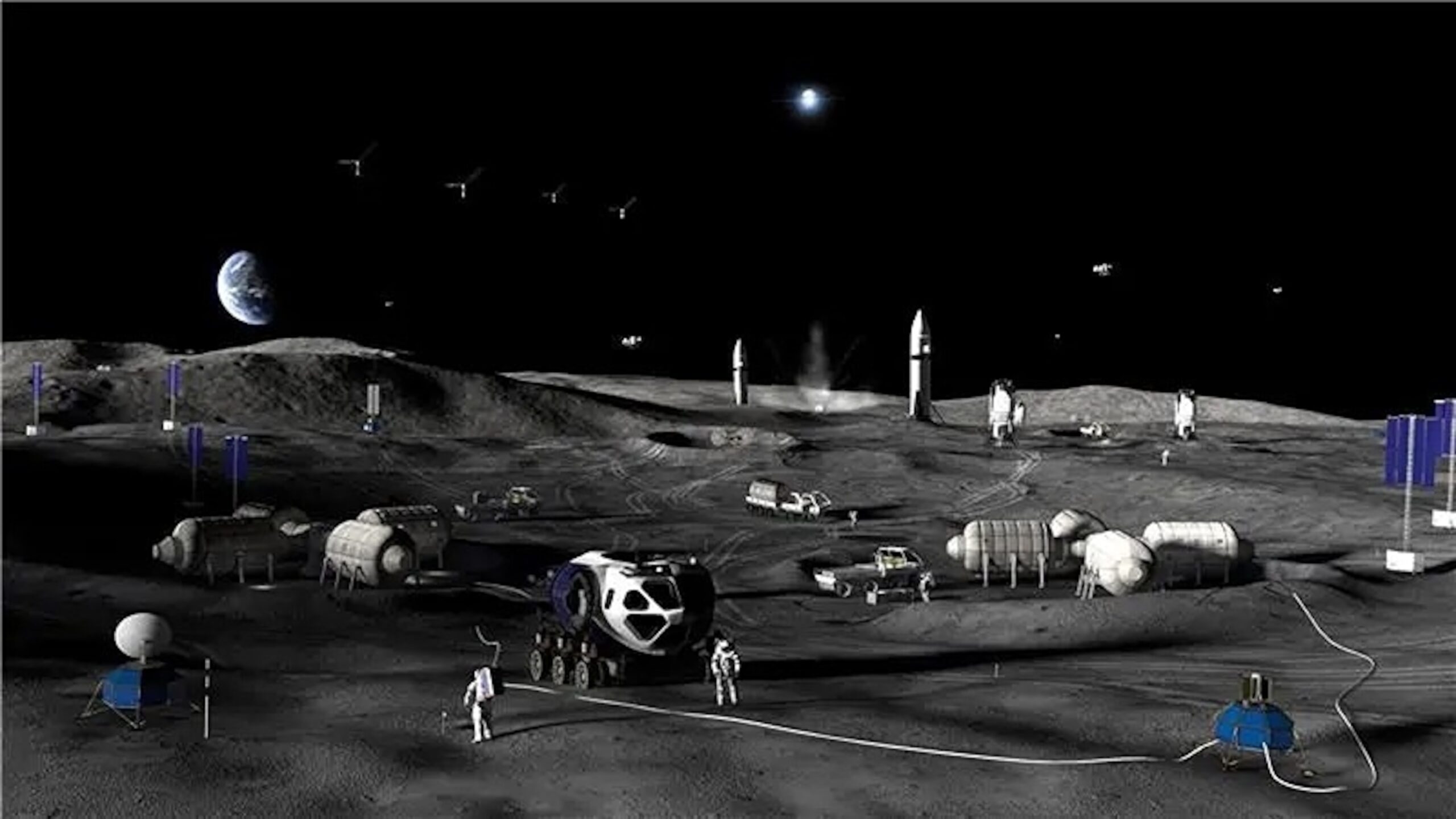
NASA is all-in on the moon and plans to invest the money and resources necessary to build a permanent settlement on the lunar surface sooner rather than later, according to the agency.
At the space agency’s “Ignition” event Tuesday at NASA headquarters in Washington, D.C., NASA leaders presented an ambitious, $20 billion plan to return humans to the moon and build a permanent base there.
“NASA is committed to achieving the near‑impossible once again: to return to the moon before the end of President Trump’s term, build a moon base, establish an enduring presence, and do the other things needed to ensure American leadership in space,” NASA Administrator Jared Isaacman said.
While NASA’s aspirational plans to return humans to the moon and establish a crewed operational base there have been known for some time, Tuesday’s announcement marked a significantly accelerated schedule for accomplishing those goals.
Reminding the audience, which included members of Congress and representatives from more than 35 countries, that the United States is in a space race with China, Isaacman pledged to land American astronauts on the moon’s surface before the end of President Trump’s current term in office.
“The clock is running in this great‑power competition, and success or failure will be measured in months, not years,” Isaacman said.
NASA sets potential launch date for Artemis II mission to the moon
The Artemis IV and Artemis V missions that will send astronauts to the lunar surface are now slated for launch in 2028, a new timeline that Isaacman said is critical to beating the Chinese.
“They might be early, and recent history says we might be late,” said Isaacman. “But this time, the goal is not flags and footprints. This time, the goal is to stay.”
Gateway space station is out; permanent moon base is in
After Artemis V, NASA hopes to land astronauts on the moon every six months, with the assistance of commercial space companies, gradually building a base in which people can live and work long-term, Isaacman said.
To better achieve that goal, Carlos Garcia-Galan, NASA’s Moon Base program executive, announced that NASA is moving away from the Gateway architecture – a previous plan to first construct a space station to orbit the moon – and will instead “focus on building the moon base.” Systems and hardware from the Gateway program will be repurposed to accelerate progress on the moon base, Garcia said.
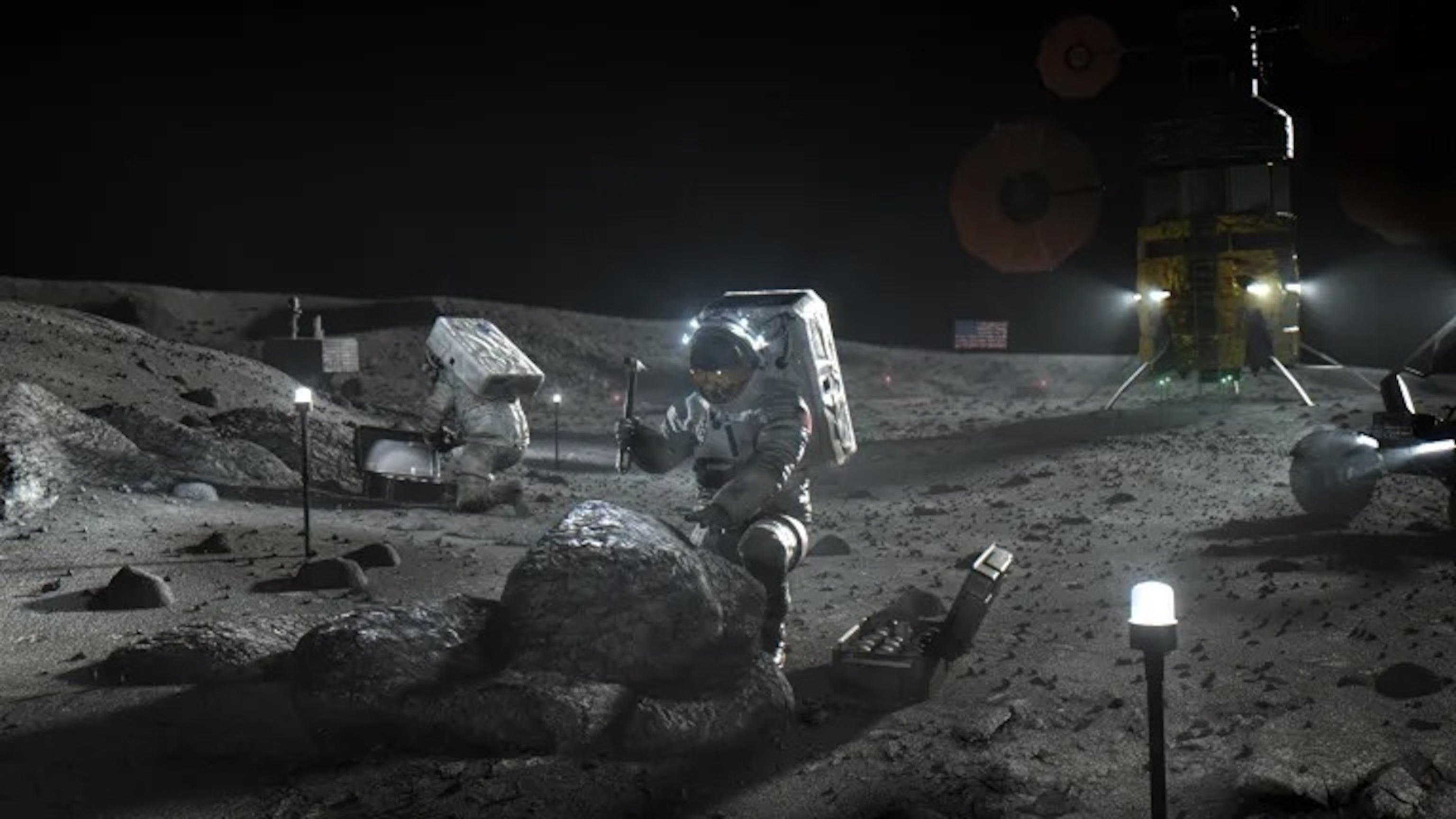
Isaacman outlined a three-step plan for constructing the lunar base.
Phase one: Build, test, learn: NASA and its commercial partners will regularly send rovers, instruments and technology to the moon to test mobility, power, communications, navigation and scientific tools.
Phase two: Early infrastructure: NASA and its commercial partners will begin building semi-habitable areas for astronauts, with help from international partners like the Japan Aerospace Exploration Agency (JAXA). This infrastructure will also enable astronauts to operate on the moon’s surface consistently.
Phase three: Long-term presence: NASA and its commercial partners will deliver larger habitats and vehicles, including equipment from international partners such as the Italian Space Agency (ASI) and the Canadian Space Agency (CSA), as they transition from short-term trips to a permanent human presence on the moon.
Lasers could allow the world to watch Artemis II astronauts travel to the moon and back
“The moon base will not appear overnight,” Isaacman said. “We will invest approximately $20 billion over the next seven years and build it through dozens of missions, working together with commercial and international partners towards a deliberate and achievable plan.”
Artemis II mission updates
NASA officials also provided an update on the Artemis II mission, which has four launch opportunities within a six-day window in April, the first of them on April 1.
“I can tell you that as of this moment right now, there are no major issues that we’re working,” said Lori Glaze, NASA’s associate administrator for exploration, regarding Artemis II. “We are doing everything according to plan.”
The Artemis II mission, which will be NASA’s first crewed lunar flyby in 50 years, includes testing life support systems for future manned missions.
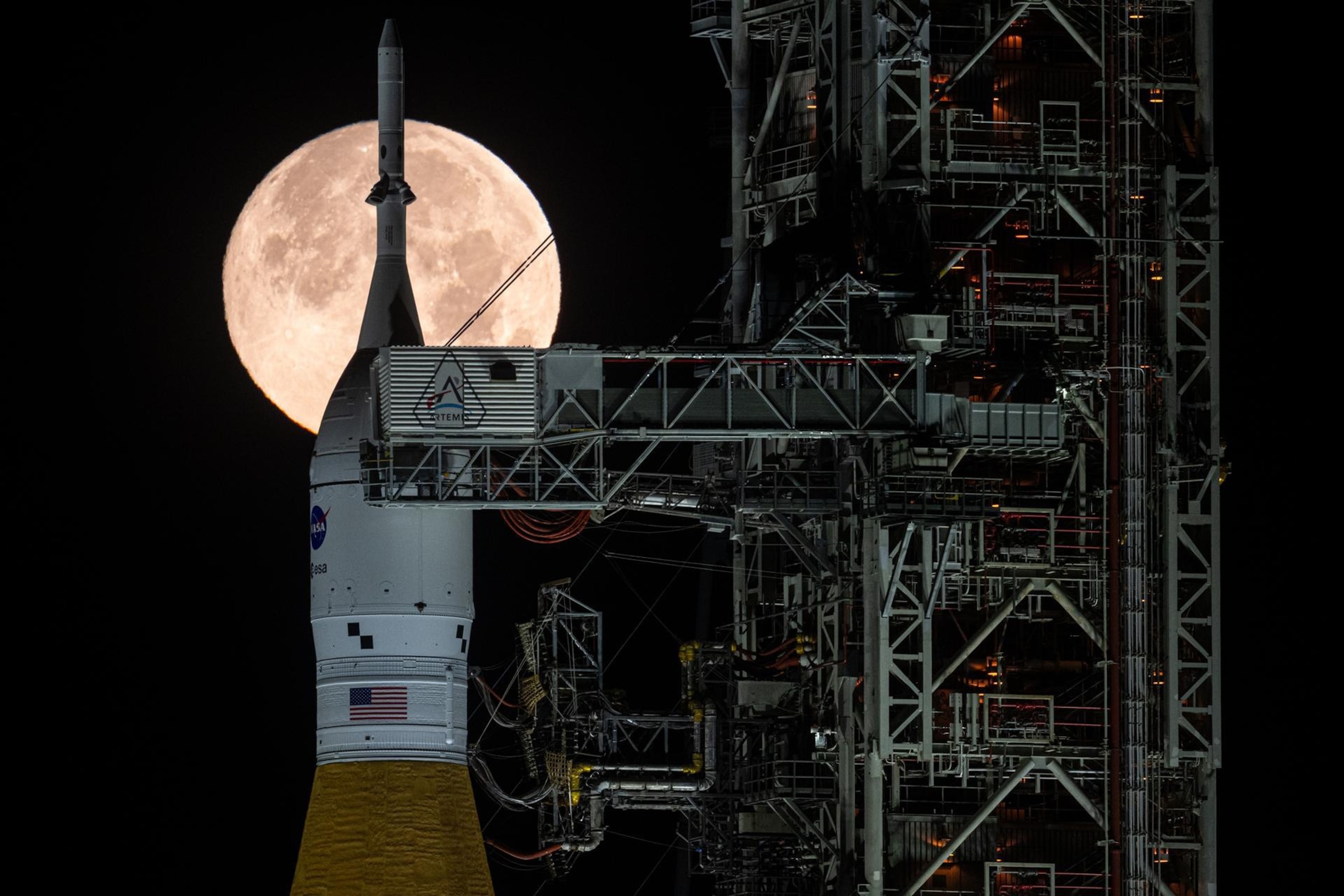
“While we’re in that high Earth orbit, we are going to check out the environmental control and life support systems,” Glaze said. “This is the newest piece for Artemis II and the critical piece for supporting our crew and keeping them safe and healthy throughout the mission.”
While Artemis II astronauts prepare for their moon mission, NASA says teams are concurrently standardizing the Space Launch System (SLS) rocket for future Artemis missions. The first mission to use the standardized rocket will be Artemis III.
Artemis III will also use a redesigned Orion crew spacecraft heat shield with a new, more permeable design, according to Glaze.
Artemis II rocket mission to the moon: What you need to know
“While the Earth orbit won’t put quite the demands on it that we would have returning from the moon, we will gather important data on the performance of that heat shield,” Glaze said.
Artemis III is now scheduled to launch in 2027 “to test the integrated operations of Orion and one or both lunar landers in Earth orbit,” according to Isaacman, who added that “one or both” lunar landers will also be tested during this mission.
Artemis IV, which will be the first crewed landing on the moon since 1972, is already at Kennedy Space Center and is currently being integrated. Artemis V is expected to arrive from Germany next fall and is scheduled for launch in late 2028.
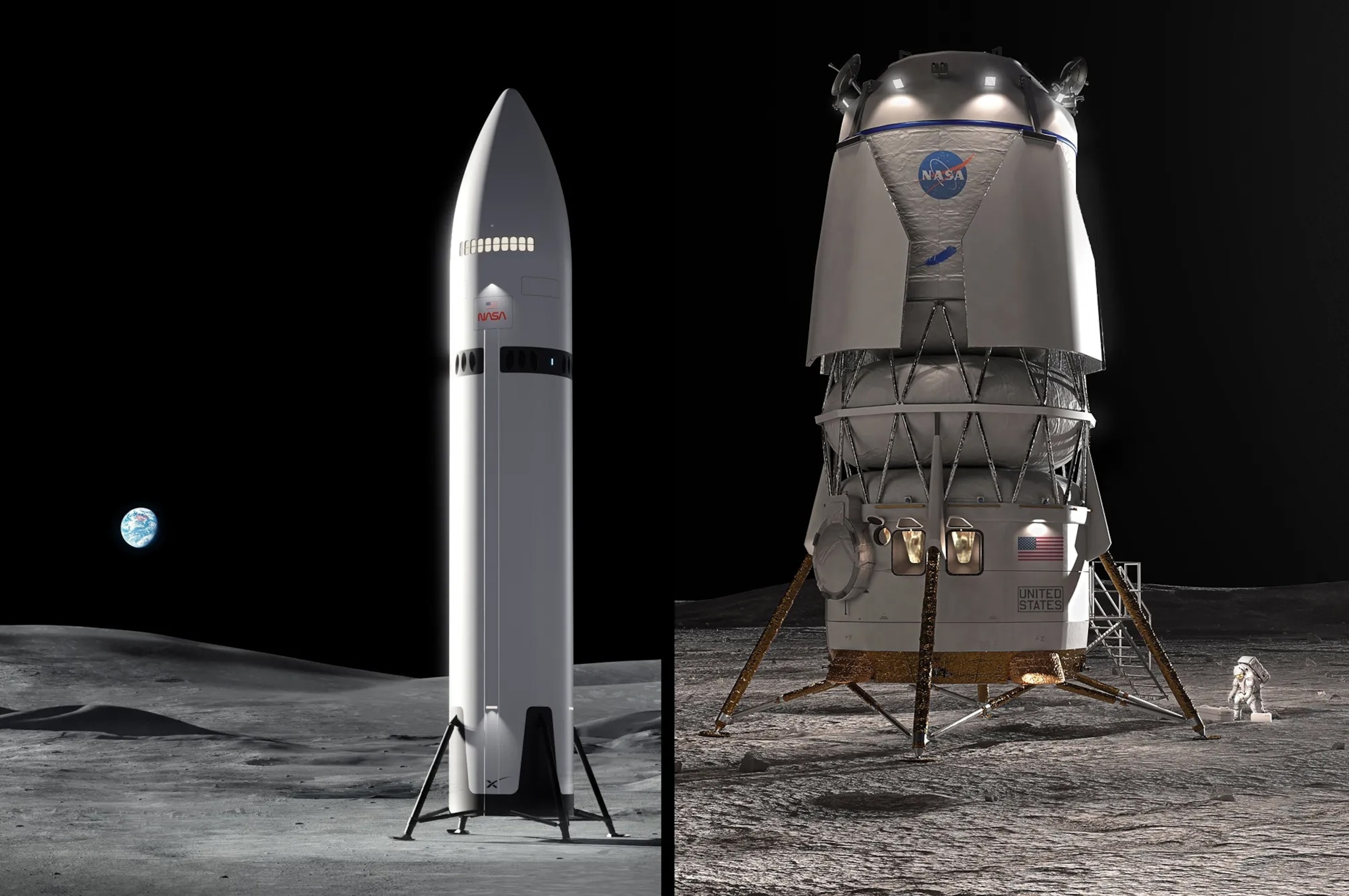
Regarding the Human Landing Systems (HLS), the vehicle that will carry the Artemis astronauts to the lunar surface, NASA says it is working with SpaceX and Blue Origin to simplify their HLS profiles to accelerate the development of the landers.
Ultimately, NASA made it clear that nothing will move forward unless the landers are proven to be able to safely land humans on the moon.
“Both of the providers are required to complete a successful uncrewed landing prior to carrying any of our crew,” Glaze said.