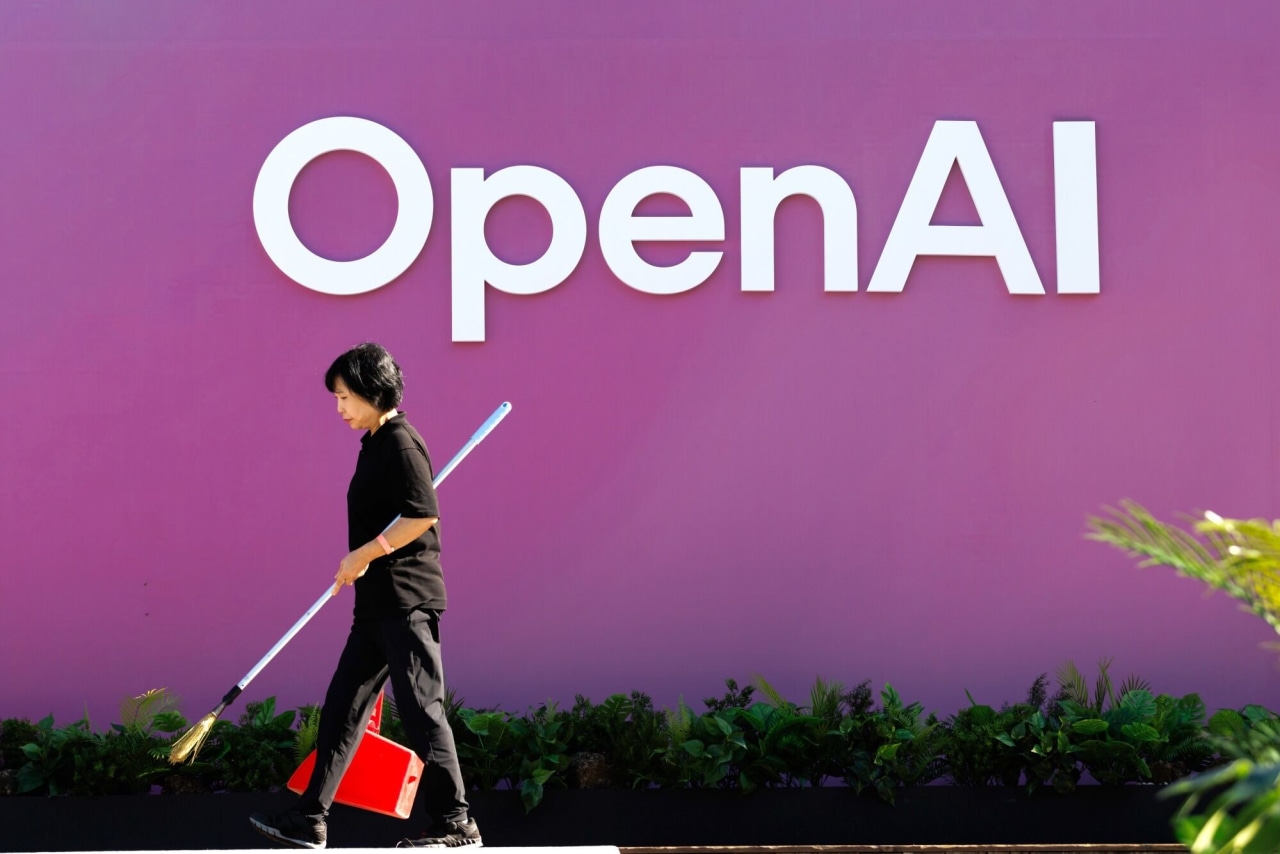
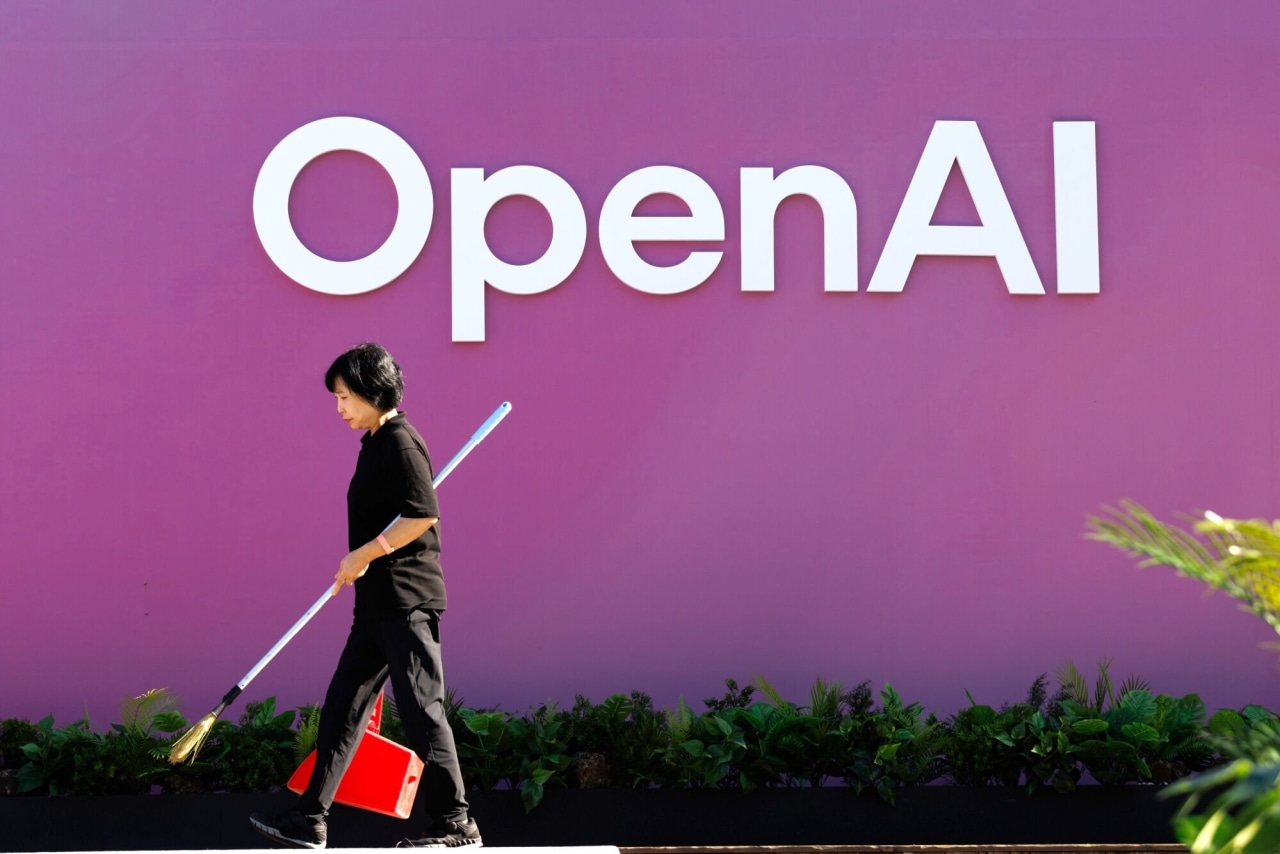
OpenAI is planning to pull the plug on its Sora video platform, a product it released to great fanfare last year that has since fallen from public view.
The move is one of a number of steps OpenAI is taking to refocus on business and coding functions ahead of a potential initial public offering as soon as the fourth quarter of this year.
CEO Sam Altman announced the changes to staff on Tuesday, writing that the company would wind down products that use its video models. In addition to the consumer app, OpenAI is also discontinuing a version of Sora for developers and won’t support video functionality inside ChatGPT, either.
OpenAI is in the middle of a strategy shift to redirect the company’s computing resources and top talent toward so-called productivity tools that can be used by both enterprises and individual users. Last week, OpenAI announced that it was combining its ChatGPT desktop app, coding tool Codex and browser into one “superapp.” The company expects the consolidated product to align its employees around a single vision.
OpenAI launched Sora last September, aiming to expand its dominance among consumers by creating a TikTok-style social feed that allowed users to share AI-generated content with one another. Shortly after the launch, Altman encouraged users to find different ways to splice him into famous or iconic scenes from popular culture.
At the time, some OpenAI employees were surprised by the amount of computing resources the company poured into the project, given the lack of clear evidence of demand for the product. But Altman wanted the company to think ambitiously about its product road map, and unveiled plans for a new AI hardware device that the company plans to launch in the coming years.
The Sora discontinuation is a rebuke to OpenAI’s previous strategy, which involved an array of product launches that created a complicated organizational structure and competing priorities.
OpenAI launched Sora without guardrails to protect certain content from being used without the consent of copyright holders, touching off a brief copyright battle. Eventually, the company added controls so content owners could block the use of their likenesses or intellectual property,
In December, Disney said it would invest $1 billion in OpenAI. As part of the deal, OpenAI was set to license more than 200 characters from Disney, allowing users to create and share AI-generated videos with beloved Disney characters. The three-year agreement allowed people to wield a lightsaber with Luke Skywalker or insert themselves into Toy Story.
Disney’s investment into OpenAI isn’t proceeding. “As the nascent AI field advances rapidly, we respect OpenAI’s decision to exit the video generation business and to shift its priorities elsewhere,” a Disney spokeswoman said.
Altman said the Sora team will now focus on giving priority to longer-term bets such as robotics.
OpenAI is trying to catch-up to its startup rival Anthropic to win the business of coders and enterprise users. In an all-hands meeting earlier this month, the company’s applications chief, Fidji Simo, said employees couldn’t afford to be distracted by “side quests” and outlined a vision for OpenAI to build more so-called agentic capabilities into its products.
Agentic systems are those in which artificial-intelligence software can work autonomously on a user’s computer to carry out a variety of tasks, including writing software and analyzing data.
News Corp, owner of The Wall Street Journal, has a content-licensing partnership with OpenAI.
Write to Berber Jin at berber.jin@wsj.com