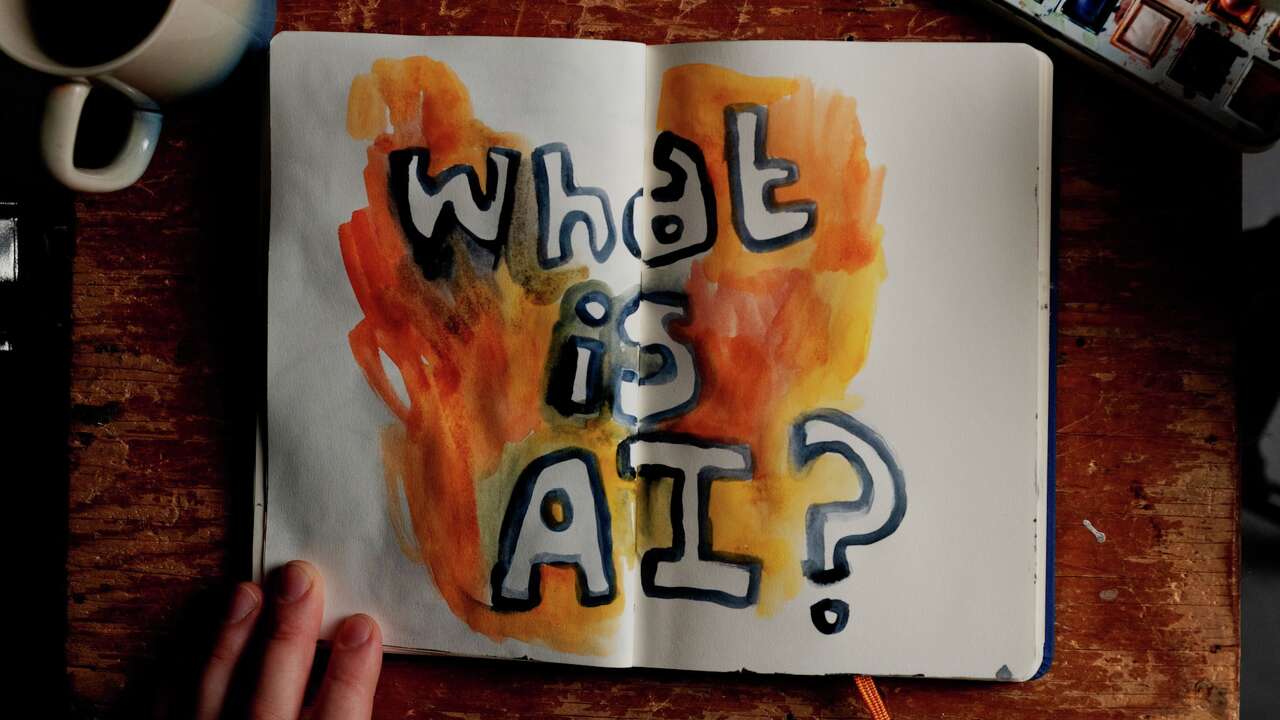
The most jolt-you-upright-in-your-chair moment in “The AI Doc: Or How I Became an Apocaloptimist” is when technology ethicist Tristan Harris reports some very disturbing inside information.
“I know people who work on AI risk who don’t expect their children to make it to high school,” says Harris, executive director and co-founder of the Center for Human Technology.
Whoa.
That artificial intelligence is going to take over our lives is pretty much widely accepted these days, but the reaction to that varies wildly.
There are those who imagine a dystopian future when, even if we were to survive, so many jobs would be eliminated that the unemployment rate would skyrocket. Giant data centers required to keep AI functioning, which needs as much energy as it would take to power 4 million homes and millions of gallons of water per day for cooling, would drastically increase pollution and decrease fresh water supplies.
On the other hand, the potential to solve mankind’s most vexing problems is tantalizing. Solutions to climate change, medical breakthroughs that could extend lifespans by decades, the elimination of poverty and other utopian fantasies could become reality.
“Can we survive superintelligence?” one expert asks in the film. “Can we survive without it?”
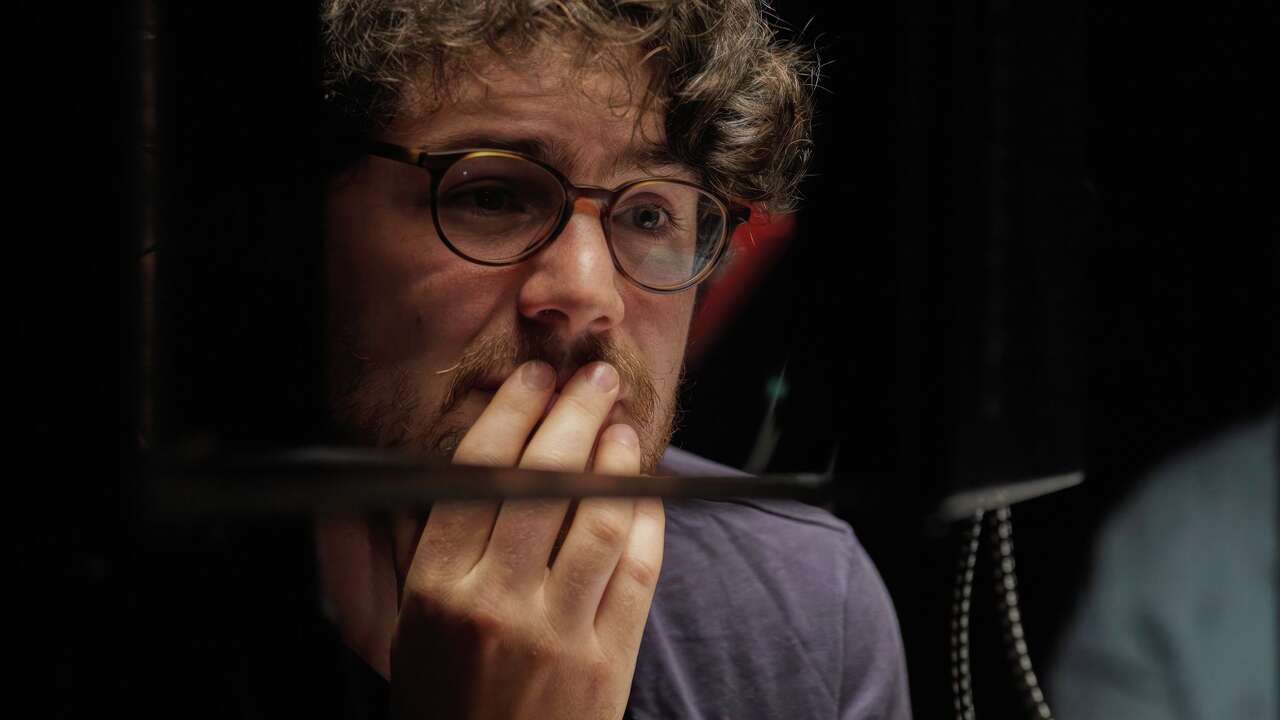
That’s what documentarian Daniel Roher tries to answer in the intriguing but ultimately unsatisfying “The AI Doc: Or How I Became an Apocaloptimist,” co-directed by Charlie Tyrell.
More Information
“The AI Doc: Or How I Became an Apocaloptimist”: Documentary. Directed by Daniel Roher and Charlie Tyrell. (PG-13. 104 minutes.) In theaters Friday, March 27.
Roher conceived of “The AI Doc” because he and his wife, as the film opens, are expecting a child, and the filmmaker questions if it is even a good idea to reproduce in such a frightening world.
To help answer that question, he sits down with many of the top AI experts, a good number of them based in the Bay Area, including OpenAI CEO Sam Altman; Anthropic co-founders Dario Amodei and Daniela Amodei; Stanford professor Fei-Fei Li, known as “the godmother of AI”; Stanford and UC Berkeley alum Emily M. Bender, a computational linguistics professor; and David Evan Harris, a UC Berkeley lecturer and renowned AI ethicist.
Notably, Meta CEO Mark Zuckerberg and xAI CEO Elon Musk declined to participate.
Harris notes that eventually AI will eventually “dwarf all other technologies combined.” As an example, Altman notes that ChatGPT 2 was barely conversational, but that GPT 4, released a mere two years later, could pass the bar exam.
So we’re entering a world in which human beings, for the first time in millions of years, will not be the most intelligent entity on Earth.
Roher is a veteran documentarian, best known for the Oscar-winning “Navalny” (2022), about the late anti-Putin Russian activist Alexei Navalny. He has a feature narrative debut, “Tuner,” starring Dustin Hoffman, due in theaters this May.
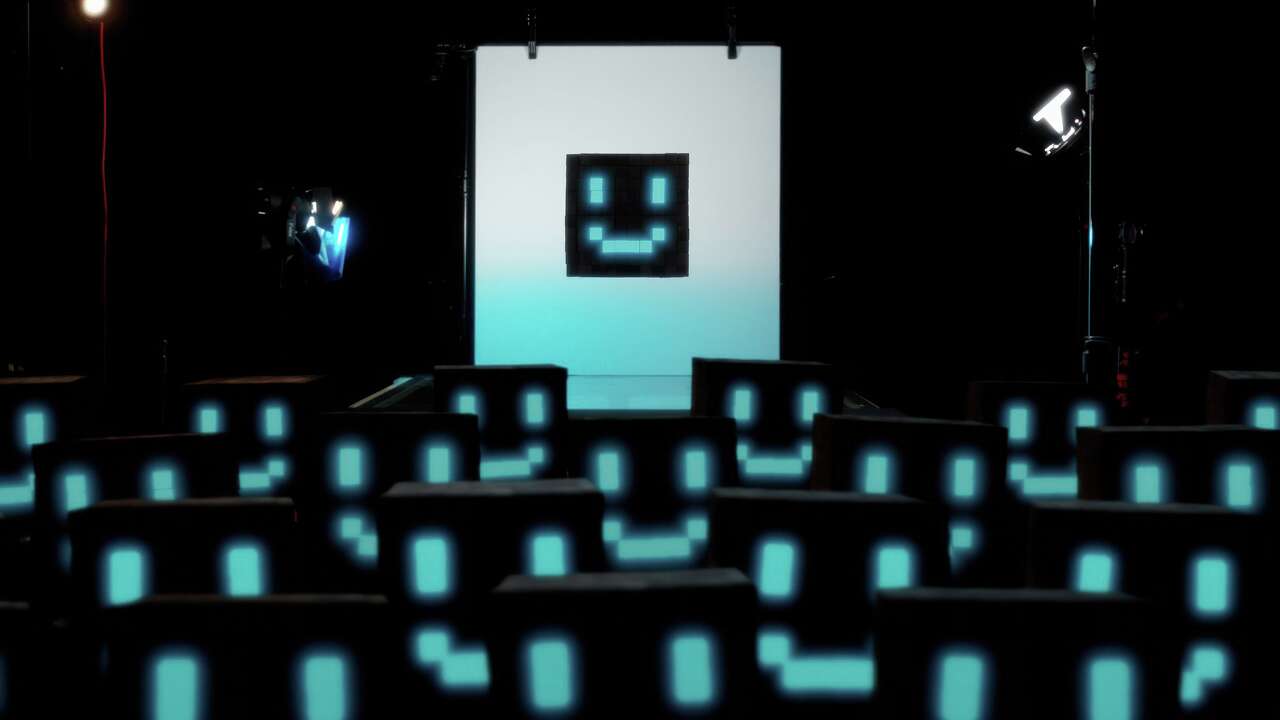
His approach in “The AI Doc” is to interview leading AI experts one by one, with the camera cutting to Roher’s reactions – arched eyebrows, smirks, smiles, etc. Animated sequences geared for the ADHD generation flash by. But all that gets a little repetitive. The film could have used more visual examples of the benefits and downsides of AI.
Then there’s an avalanche of intriguing issues raised, but with very few answers.
Still, “The AI Doc” gives the viewer a lot to think about – and worry about.
The most frustrating part about AI, which Roher doesn’t explore, is how this technology that will transform our planet is in the hands of essentially a half-dozen people, many in the Bay Area, and even they don’t know how it will turn out.
We have seen, for instance, how global politics and economies are being shaped – and not for the better – by the half dozen or so men who, say, decide to start a war without consulting its people. For instance, San Francisco’s Anthropic is already feuding with the Pentagon over the use of its AI technology in the current conflict with Iran.
All this talk about how AI can solve all the world’s problems doesn’t change the fact that the technology is being advanced by some super-rich people who wield enormous power, and who time and time again have made decisions based on enriching themselves over the greater good.
Related Reading
Subscribe
There’s more to San Francisco with the Chronicle. Subscribe today for just 25¢.