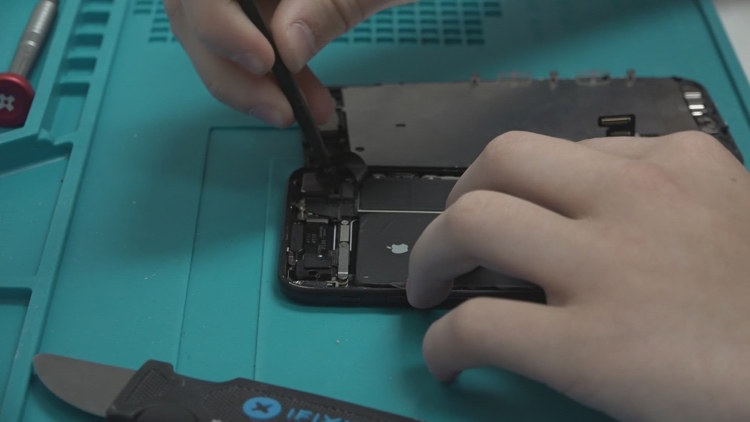
A bill that could make it easier for Mainers to fix their own electronics is moving forward at the State House.
LD 1908, An Act to Require the Cooperation of Original Manufacturers of Electronic Devices to Facilitate the Repair of Those Devices by Device Owners and Independent Repair Providers, passed the Maine Senate in a 22–13 vote and now heads to the House for consideration. The legislation focuses on smaller electronics like smartphones and laptops, aiming to give consumers more control over how their devices are repaired.
Supporters say the proposal would require manufacturers to make parts, tools and repair documentation available to consumers and independent repair shops. That access, they argue, could significantly cut costs and reduce how often people need to replace expensive devices.
Sen. Mike Tipping, D-Penobscot, who drafted the majority report, says the change could make a noticeable difference for families.
“These protections would bring down the cost of repairs for Mainers while allowing them to extend the life of their devices,” said Tipping. “It makes a big difference to a family budget if you only have to replace a cell phone every six years instead of every three.”
Not everyone agrees on how the law should be structured, the Senate Republican caucus voted against the majority report.
Republican Senate Minority Leader Trey Stewart from Aroostook County says his party is instead backing an alternative proposal that they believe better balances access with safety and intellectual property concerns.
Stewart is worried about unintended consequences, particularly in specialized fields.
“In the healthcare field, for instance, something that’s being used there and then it gets tampered with because you were trying to make maybe what you thought was a simple fix. But then that technology gets used and doesn’t work,” said Stewart. “Now who’s liable?”
Stewart is concerned that the bill may have negative implications, including safety and liability limits. The majority report includes exemptions to the right-to-repair law, including which devices are exempt from the bill, such as emergency safety equipment, video gaming consoles, farm machinery, and medical equipment.
With Senate approval secured, the bill now moves to the Maine House of Representatives, where lawmakers will decide whether to adopt the majority version or consider alternatives.
For the latest breaking news, weather, and traffic alerts, download the NEWS CENTER Maine mobile app.