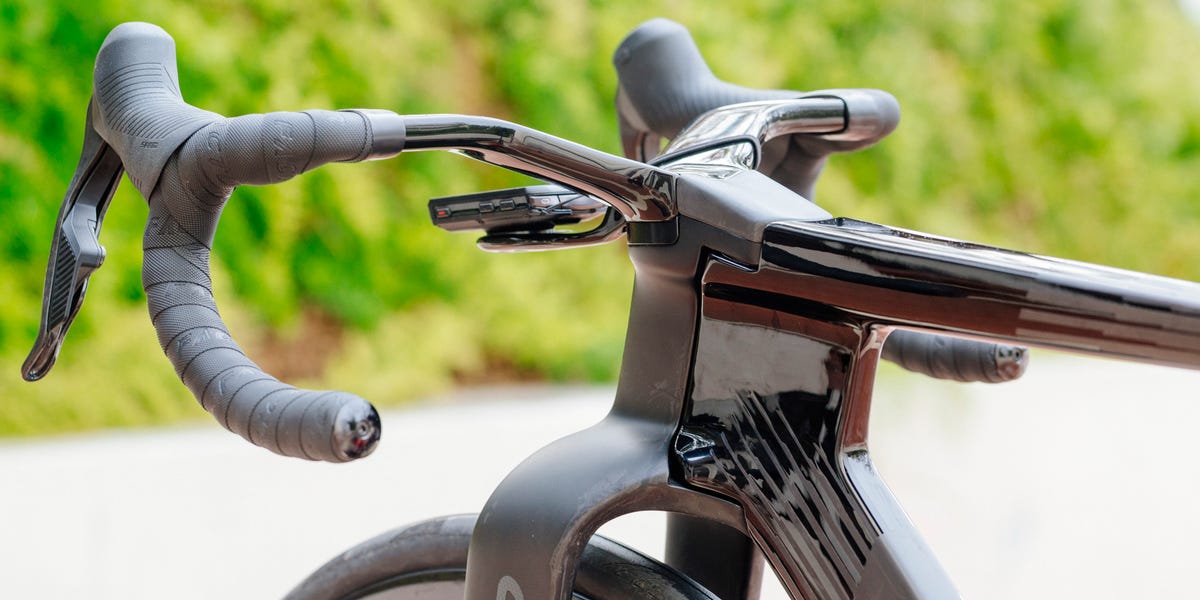
Hyperbikes are having a moment.
Every launch promises something faster, more integrated, more aerodynamic than what came before. Deeper profiles. Narrower frontal areas. More speed, for the same effort.
And, increasingly, more cost and complexity to get there.
If I were a professional bike racer, I’d be very interested in competing on a hyperbike like Cervelo’s S5, Colnago’s Y1Rs, or Factor’s One.
In that world, you’re among the first to get the latest equipment, living at the bleeding edge of technological advantage. The competition is incredibly tight, so every small gain might be meaningful—even race-winning—and therefore worth having. And, of course, the equipment is free or heavily discounted.
But there’s a catch—and when you actually look at the data, the performance gap between these hyperbikes and the best all-around race bikes is a lot smaller than the marketing would have you believe.
And the benefits I, not a professional racer, would gain from investing in a hyperbike are small. Meanwhile, I’d have to deal with incredible expense, a raft of proprietary parts, and a somewhat extreme riding position. One I’d need to fully commit to to realize the marginal gains hyperbikes offer.
Just to gain a few watts.
And only to see those gains I purchased superseded a few months later by the arrival of a competitor’s newer, faster bike. Or to watch the bike I invested heavily in replaced by its next generation — a cycle that’s happening faster than ever as brands accelerate development to stay in the forefront of the hype curve.
This is an arms race that never slows down.
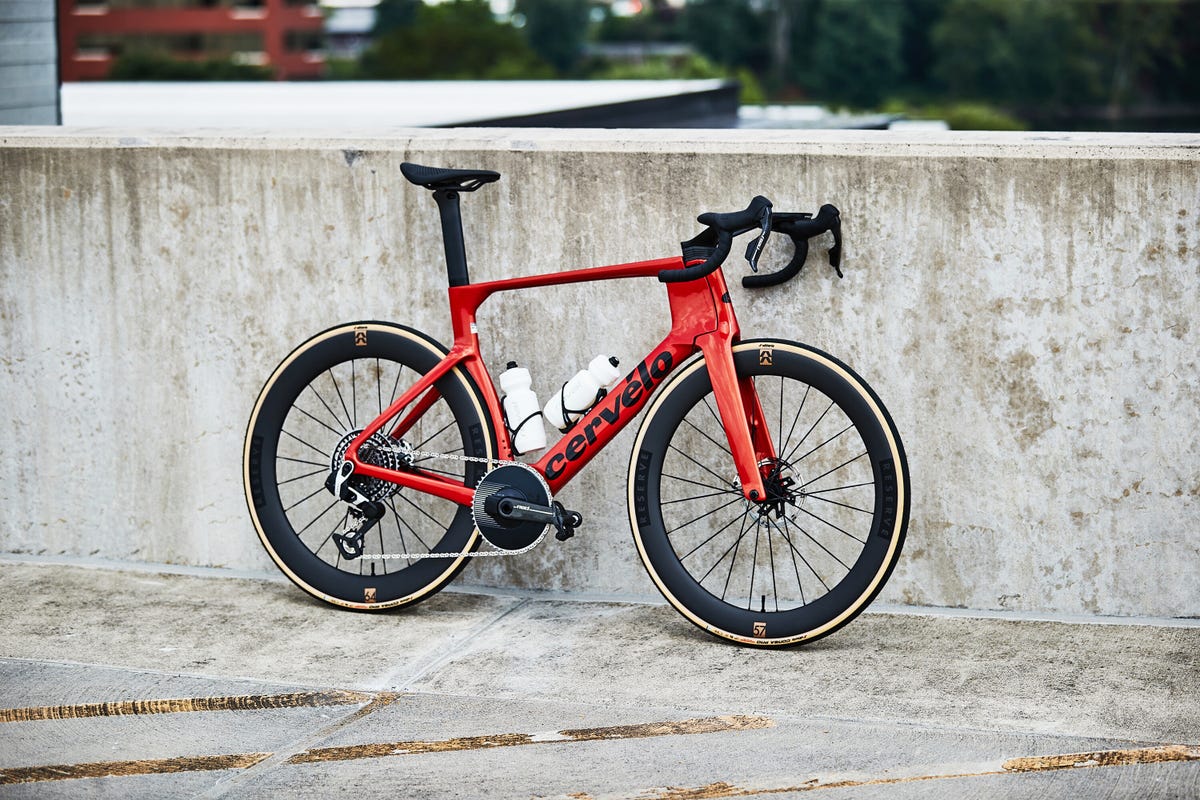
And for those of us in the general cycling public, it’s one we will always be behind on. Unless we have the means to stay on the bleeding edge, we are always on the losing end of the hyperbike race.
I’ll admit that even as I write this, it feels strange to call the fastest race bikes on the planet overhyped.
Aerodynamics absolutely matter. And some very smart people have done remarkable work to reduce weight — or at least add very little of it — while piling on aerodynamic gains.
But it’s also important to recognize that the baseline for a modern race bike — even one from the previous generation — is already incredibly high. The gains you can realize by investing in the latest hyper aero bike are, for most riders, tiny.
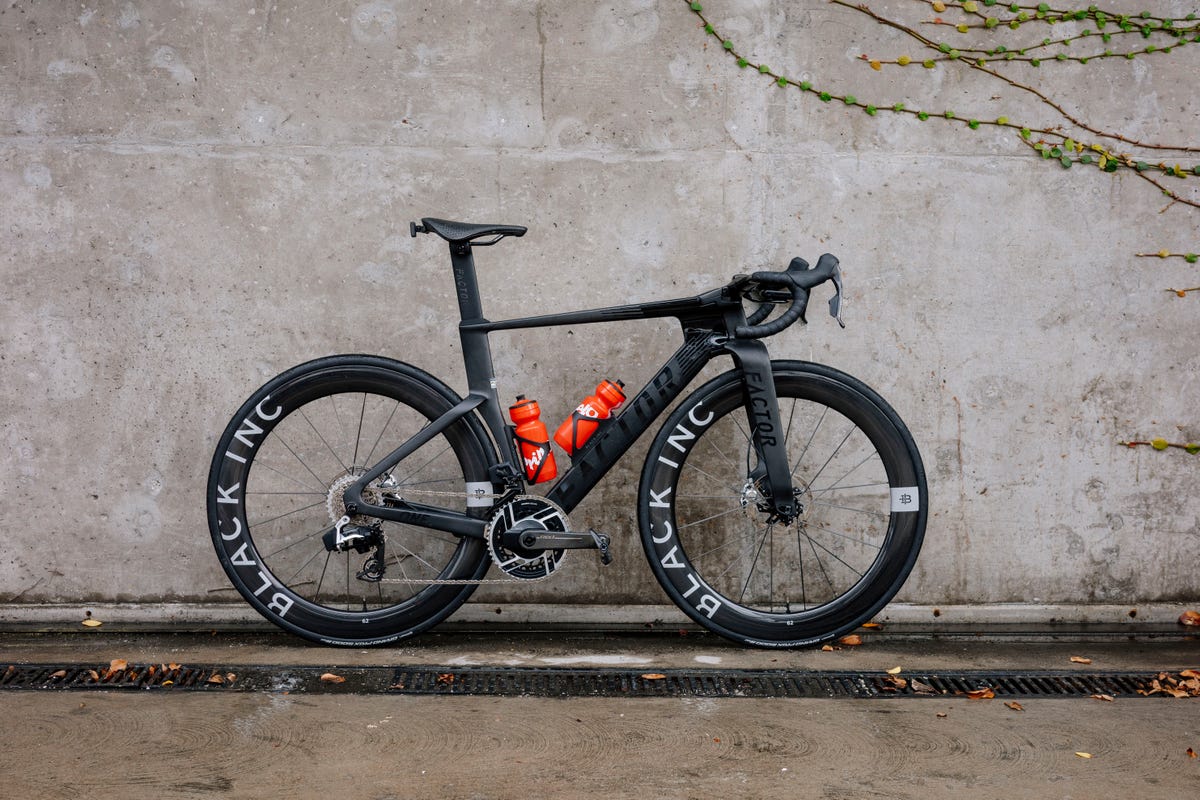
To put some numbers to it: When Dan tested the Factor One, he referenced Cyclingnews’s wind tunnel testing. That outlet has evaluated many of the premier race bikes in the same tunnel over several years, giving us a rare apples-to-apples look at aerodynamic performance.
Cyclingnews tests both the bike alone and the bike with a rider aboard. Because a rider significantly affects aerodynamics, I find the bike-and-rider data more meaningful.
Allowing for some margin of error — and acknowledging the bikes were not tested on the same day — Cyclingnews’s data suggests the One, with a rider aboard, requires seven fewer watts (averaged across all wind angles) to maintain 40 km/h than the Specialized S-Works Tarmac SL8 (273.17 watts versus 280.2 watts, a 2.5 percent difference).
Seven watts isn’t nothing. If someone said, “I have a product that can instantly boost your FTP by seven watts,” I’d be intrigued. I’d be even more interested if I were seriously competing.
Even so, I struggle to see the appeal and logic for most riders.
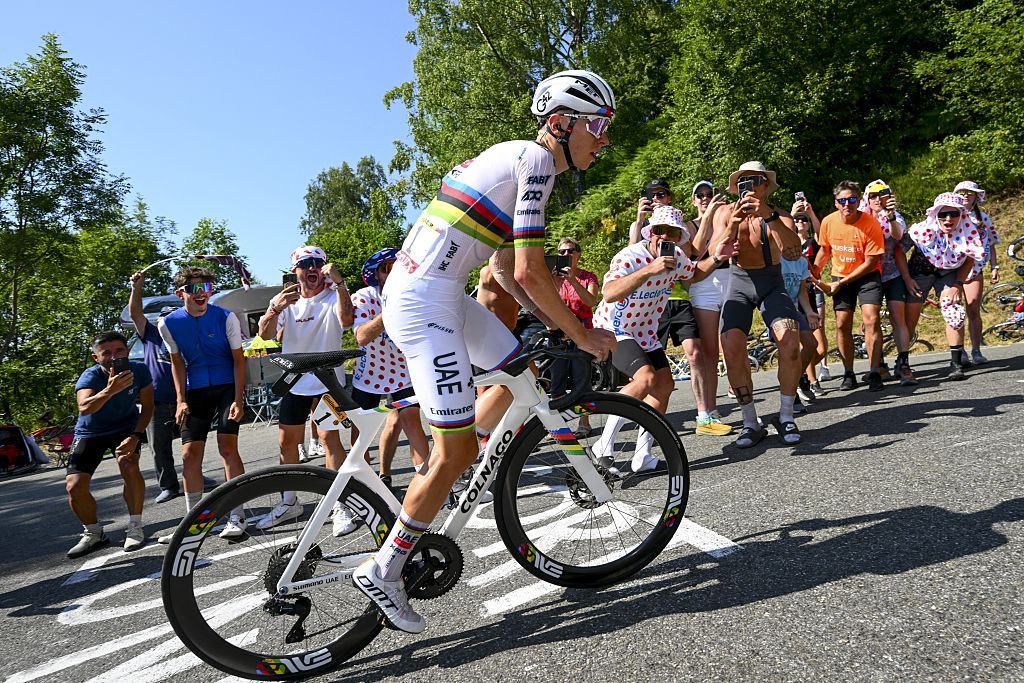
Bikes like Cervelo’s S5, Colnago’s Y1Rs, and Factor’s One arrive with enormous hype and fanfare—white papers, images of the greatest racers in the world riding them, and the promise that you can access the same equipment used in the sport’s most legendary races.
In reality, you’re getting small potential gains in exchange for increasingly radical design, complicated integration, and growing demands on you to contort yourself into a position that maximizes the bike’s performance.
And that’s why I think this category is overhyped. Yes, these are the fastest bikes. But it’s a long way to go, a lot of noise, and incredible expense for what ultimately amounts to a small advantage—and only for a brief window of time.
I’m already on record saying that race bikes are not the best bikes for most riders. But if you are buying a race bike, I think most are better off choosing an all-arounder like a Cannondale SuperSix EVO, Specialized Tarmac SL8, or Trek Madone.
Yes, bikes like the SuperSix EVO also age quickly in terms of “class-leading” performance, and they’re a bit less aero than hyperbikes—but they’re still pretty damn slippery. More importantly, they’re lighter, usually more compliant, have more manageable integration, are less affected by crosswinds, offer more fit options, and typically come in at lower price points.
Taken together, those traits make them the smarter choice for riders who love the feel of a race bike.
For the top pros hyperbikes are built for, the gains are real and worth chasing.
Everyone else is left in an expensive arms race that asks a lot—and gives very little back.