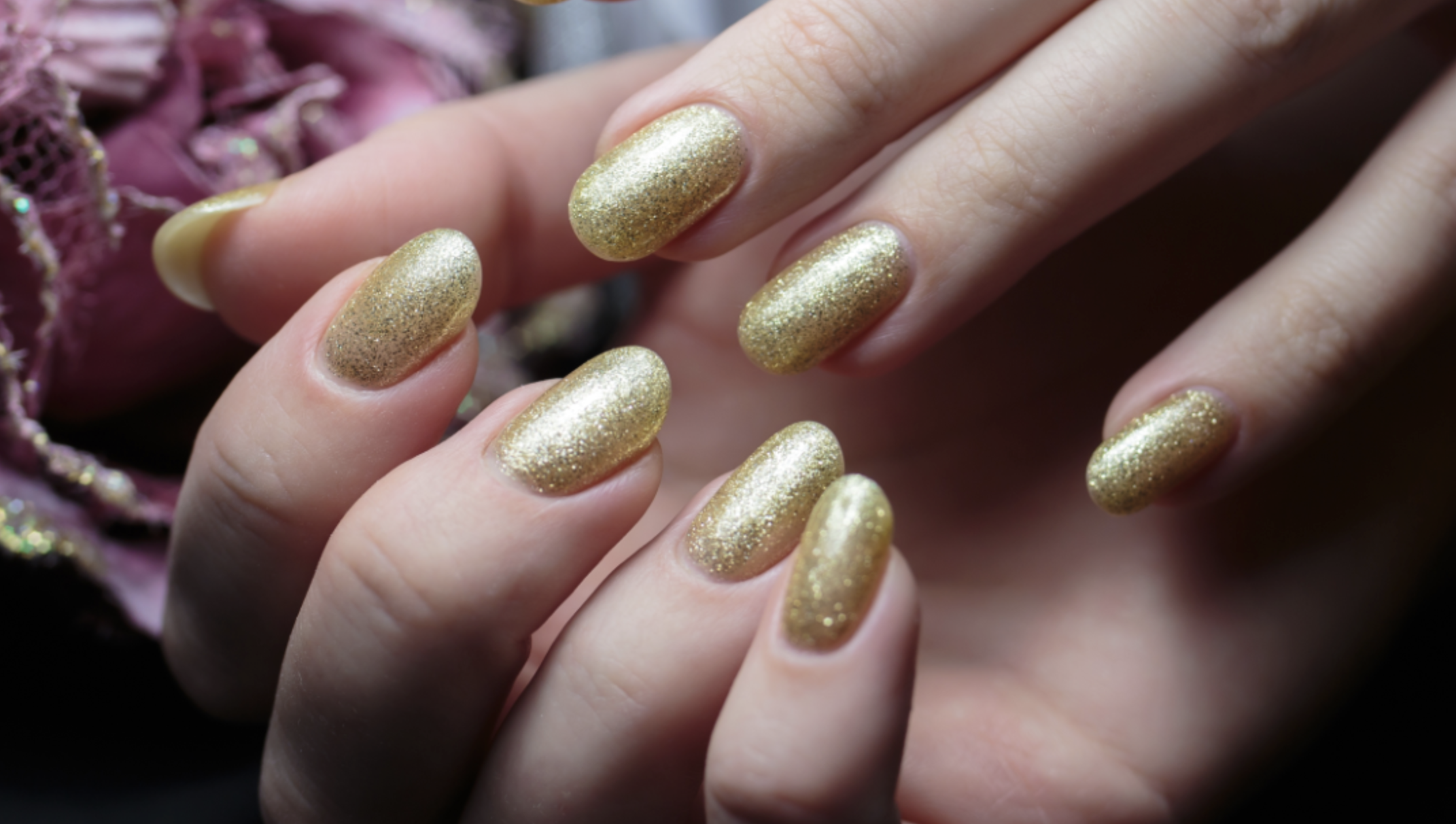
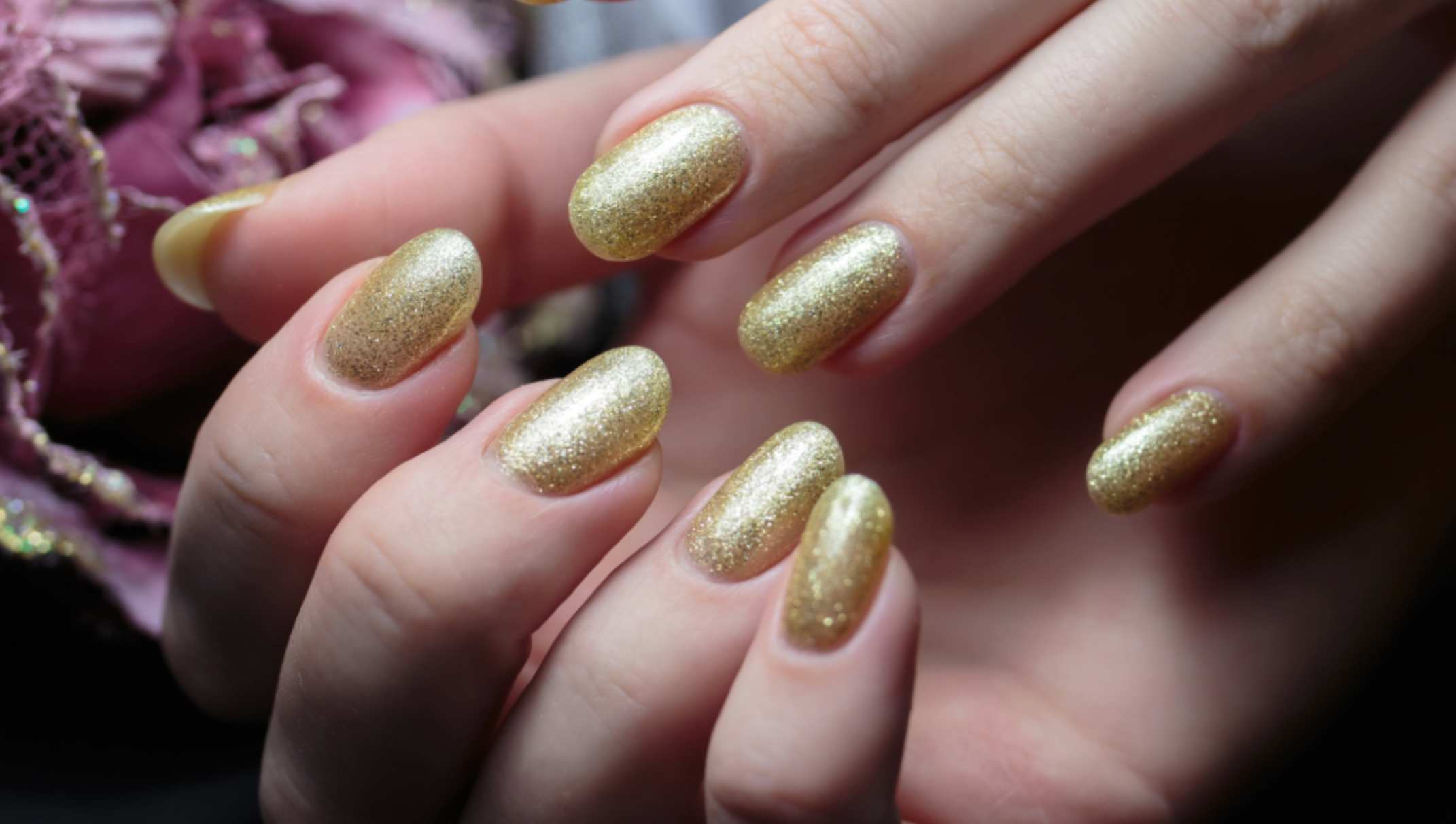
I’ve often marvelled at how anyone can get anything done with long fingernails, be they glued on at a salon or homegrown. When I’ve asked, the only answer I’ve gotten is “with practice.” But thanks to an undergraduate at Centenary College of Louisiana, using a smartphone with elegant fingertips could soon become a hell of a lot easier.
Capacitive displays need something conductive-a fleshy fingertip or a stylus, for example-to register that it has been touched and to tell the rest of the hardware and software it’s connected to to trigger the appropriate response. Fingernails? Not all that conductive. However, our undergrad, Manasi Desai, has a thing for cosmetic chemistry; she knew that several clear nail polishes contain conductive materials, such as carbon nanotubes and metallic particles. But they’re not something that’s been available for folks to purchase. Part of this may be because such polishes could be dangerous to inhale the vapors of while they’re still wet. So, Desai kept looking:
Desai started out with 13 commercial clear-coat polishes and began methodically adding different additives, assessing their conductive performance to determine just the right combination. Out of more than 50 candidates, she identified two viable options: ethanolamine and taurine. Neither was the perfect solution on its own: Ethanolamine had the necessary conductivity and compatibility with the polish, but has some toxicity, while taurine-a common dietary supplement-is non-toxic but is not perfectly clear. But by combining the two, Desai was able to achieve the results she wanted.
How cool is that? While the nail polish compound isn’t ready for consumers to start slathering on their nails just yet, it’s a very nifty first step in solving a problem that no doubt drives a multitude of folks insane.
The post Undergrad makes nail polish that works on touchscreens appeared first on Boing Boing.